Can a Criminal Defense Lawyer in Lafayette LA Reduce Your Charges
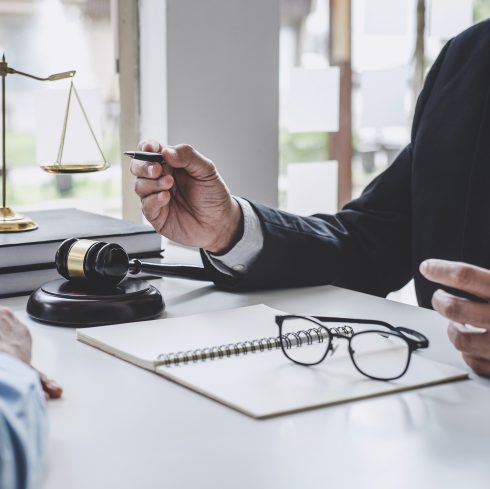
A criminal charge feels blunt and final when you first hear it. The language in the paperwork sounds fixed. The booking process is designed to move fast. Police reports tend to read as if the story is already settled. But charges are often more flexible than people realize, especially in the early stages of a case. Facts get clarified. Weak spots in the evidence emerge. Witnesses change their accounts. Legal issues surface. A prosecutor who began with an aggressive filing decision may later accept a reduction that better fits the proof, the law, or the broader circumstances.
That is where a seasoned criminal defense lawyer in Lafayette LA can make a real difference. Not every case can be reduced, and no ethical lawyer should promise that result. Still, charge reductions happen every day for reasons that are practical, legal, and strategic. Sometimes the result is a felony reduced to a misdemeanor. Sometimes one count is dismissed in exchange for a plea to another. Sometimes a person avoids a mandatory minimum exposure because a key enhancement does not hold up under scrutiny. Sometimes the best outcome is not a formal reduction at all, but a sentence structure that limits the damage.
The central question is not simply whether a lawyer can ask for less serious charges. Any lawyer can ask. The real question is whether the defense has the skill to create leverage. In criminal court, leverage comes from evidence, timing, credibility, preparation, and judgment.
What “reducing charges” actually means
People use the phrase loosely, but it can describe several very different outcomes. That distinction matters because each path requires a different strategy.
A reduction can mean the prosecutor amends the formal charge to a lower offense. A common example would be a felony theft charge being reduced to a misdemeanor theft count because the value is disputed or because restitution has been made quickly. It can also mean dropping an enhancement, such as an allegation that would increase sentencing exposure. In some cases, it means dismissing one or more counts while leaving another in place.
There is also the practical version of a reduction. The charge on paper may stay the same, but the defense negotiates for a disposition that looks far better than the original risk. That might include probation instead of jail, diversion instead of conviction, or a plea to an offense that carries fewer collateral consequences. For many clients, those distinctions matter more than the label alone. A parent worried about custody, a nurse worried about licensing, or a student worried about financial aid may care most about what follows them after court is over.
In Lafayette and across Louisiana, the exact room for negotiation depends on the offense category, the prosecutor’s office, the person’s record, the facts of the arrest, and the judge’s approach to certain issues. Some charges are routinely negotiated when the facts are mixed. Others are Criminal defense lawyer Lafayette LA politically sensitive or tied to mandatory laws that narrow the available options. A good lawyer knows which kind of case is which.
Why charges are often more negotiable than they seem
Police usually arrest first and sort later. That is not cynicism, it is just a reality of how the system works. Officers make quick decisions in dynamic situations. They may not have complete witness statements. They may not know the full context of a family dispute, a self-defense claim, or a mental health issue. Prosecutors often review Criminal defense lawyer Lafayette LA the case file after the arrest and make formal charging decisions based on that initial record, which may still be incomplete.
By the time a defense lawyer starts digging, the picture can change. Surveillance video may show only part of what an officer described. A supposed victim may not want to proceed, or may clarify key details. Property values may be lower than first reported. A search may raise constitutional problems. A prior record that looked serious on a printout may include old arrests that never became convictions. In cases involving allegations like resisting, battery, drug possession, or domestic incidents, little factual distinctions can carry major legal consequences.
A prosecutor is not required to reduce a charge simply because the defense asks politely. But prosecutors do respond when the file no longer supports the original theory as confidently as it did at booking. That is why experienced defense counsel spends less time making dramatic speeches and more time doing careful, unglamorous work.
The tools a defense lawyer uses to create leverage
A reduction usually comes from one of four pressure points: legal weakness, factual weakness, mitigation, or efficiency. The strongest cases often involve more than one.
Legal weakness
If the arrest involved an unlawful stop, a defective search, a shaky identification procedure, or statements taken in violation of constitutional protections, the prosecution may have a serious problem. A motion to suppress is not just a courtroom event. It is a negotiation event. Once a prosecutor sees a credible chance of losing a key piece of evidence, settlement posture changes fast.
Drug cases often turn on this point. If narcotics were found after a vehicle search that may not hold up, the defense has something concrete to work with. The same is true when firearms, phones, or alleged contraband were seized in questionable circumstances. A criminal defense lawyer in Lafayette LA who knows local suppression practice can often spot issues a less experienced lawyer might miss.
Factual weakness
Sometimes the law is fine, but the facts are not. Eyewitness accounts conflict. Injuries do not match the allegation. The timeline falls apart when phone records or video are reviewed. The amount of property loss is overstated. In assault and battery cases, self-defense facts may be stronger than the initial report suggests.
I have seen cases pivot on details that looked minor at first glance. A blurry store camera that could not identify the accused. A text exchange that showed consent where the report implied coercion. A receipt that cut the alleged theft amount in half. These are not technicalities. They are the substance of the case.
Mitigation
Not every reduction comes from tearing the case apart. Sometimes the evidence is strong, but the person charged has compelling mitigation. No prior record. Stable employment. Military service. Mental health treatment. Immediate restitution. Voluntary counseling. Genuine cooperation after a terrible lapse in judgment. In the right case, presenting a client as a whole person rather than a booking number can move a prosecutor from a punitive stance to a practical one.
This matters especially in first-offense cases, juvenile-related matters, or incidents tied to addiction rather than commercial dealing. Mitigation does not erase conduct, but it can change how the state values resolution.
Efficiency
Courts are crowded. Trials are expensive. Witnesses disappear. Officers transfer or retire. Victims tire of the process. Prosecutors have calendars full of more serious violent matters competing for time. If the defense is prepared, realistic, and credible, a prosecutor may decide that a reduced charge serves the interests of justice better than dragging a middling case through months of litigation with uncertain payoff.
This is where a lawyer’s reputation matters. A defense attorney known for bluffing gains little. One known for preparing cases, filing serious motions, and trying cases when needed often gets a more careful hearing.
Which cases are most likely to be reduced
No category guarantees a reduction, but some kinds of charges tend to present more room for movement than others. The reasons vary.
Property crimes often hinge on valuation, intent, identification, or restitution. Drug possession cases may rise or fall on search issues, lab proof, or whether the evidence supports personal use versus distribution. Domestic allegations can be complicated by incomplete facts, emotional reporting, and later recantations, though those cases also carry policy concerns that sometimes make prosecutors more cautious about reducing. DWI cases can present issues with stops, field sobriety testing, chemical testing procedures, and proof of impairment. Juvenile and young adult cases often receive more serious consideration for alternatives, especially where long-term consequences outweigh public safety concerns.
More difficult cases include those involving significant bodily injury, firearms during violent crimes, repeat offenses, and cases with mandatory sentencing structures. That does not mean the defense is powerless. It means the strategy may focus less on charge reduction and more on evidence suppression, count dismissal, sentencing exposure, or preserving issues for trial.
The timing matters more than most people think
One of the biggest mistakes people make is waiting too long to hire counsel. By the time someone says, “I’ll get a lawyer when I go to court,” key opportunities may have already narrowed. Witnesses become harder to locate. Video gets overwritten. Informal conversations with law enforcement may have already caused damage. Early intervention can shape the case before positions harden.
A lawyer may be able to contact the prosecutor before formal filing, present records that correct false assumptions, or package mitigation while the case is still fresh. In some situations, counsel can steer a matter toward diversion or informal resolution before the full machinery of prosecution is in motion. That window does not exist in every case, but when it does, it can be valuable.
Here are a few moments when defense work can have an outsized impact:
- Immediately after arrest, when facts are still being gathered and charging decisions may not be final.
- Before arraignment or first meaningful court dates, when a lawyer can start collecting records, videos, and witness statements.
- Before suppression motion deadlines, because legal challenges lose force if they are not prepared on time.
- During plea negotiations, when mitigation packets, treatment records, or restitution can change the tone of the discussion.
- Before trial settings, when the state has to assess its real proof and litigation risk.
People often assume the best negotiating moment is the courthouse hallway right before a plea. Sometimes that is true. More often, the best work happened weeks earlier, quietly, in files, phone calls, and subpoenas.
Local knowledge is not just a slogan
The phrase “local counsel” gets used casually, but it matters in criminal practice. A lawyer familiar with Lafayette courts is not simply someone who knows where to park. The value is more specific. Local experience helps a defense attorney understand how certain prosecutors evaluate classes of cases, which mitigation themes tend to resonate, how judges handle bond issues or continuances, and what procedural habits can affect negotiation leverage.
That does not mean the law changes from parish to parish. It means criminal practice is human. Different offices have different priorities. Some prosecutors are more persuaded by early restitution. Some care deeply about treatment compliance. Some want to see that a defendant has done something concrete before offering any reduction. A lawyer who knows those preferences can present the case in a way that matches the decision-maker’s concerns rather than delivering generic advocacy.
A criminal defense lawyer in Lafayette LA should also understand the collateral landscape around a charge in Louisiana. Immigration consequences, firearm rights, professional licensing, sex offender registration rules, and future enhancement risk all matter. Sometimes a reduction that looks minor on paper is actually life changing because it avoids a specific collateral consequence. Other times, a plea that seems convenient can create a problem years later. Good defense advice looks beyond the next court date.
What prosecutors usually want before they budge
Prosecutors are not in the business of handing out reductions as favors. They need a reason they can justify internally and, if necessary, to a victim, a supervisor, or a judge. The strongest reduction requests tend to come with something tangible.
That might be a clear legal issue, a weakness in identification, verified treatment enrollment, counseling attendance, proof of employment, school records, character letters that sound authentic rather than scripted, or prompt restitution. It may also be the client’s lack of criminal history, especially if paired with a concrete plan to prevent repeat conduct.
What rarely works is vague insistence that the client is “a good person” without evidence, or the assumption that being polite alone will carry the day. Character matters, but documentation matters more. A lawyer who prepares a persuasive package gives the prosecutor something usable. That is very different from asking for mercy in the abstract.
When a charge should not be reduced, at least not quickly
Not every early plea offer is a good one. A lesser charge can still be the wrong answer if the case is defensible, if the collateral consequences are severe, or if the record created by the plea can be used later to enhance future charges. This is where experience shows.
Take a hypothetical battery case where the state offers to reduce a more serious count to a misdemeanor plea. That can sound attractive until you learn the client works in a field where any violence-related conviction creates employment trouble. Or imagine a drug case where the prosecutor offers a lower offense, but the search appears weak enough that a suppression motion could collapse the case entirely. Fast resolutions have a place, but speed should never replace analysis.
A thoughtful lawyer weighs the immediate relief against the long-term cost. Sometimes the smartest move is to negotiate harder. Sometimes it is to litigate. Sometimes it is to accept a reduction because the trial risk is too high. Real defense work lives in those judgment calls.
What clients can do to help their own case
Defense strategy is not only about what happens in court. Clients often help, or hurt, the reduction effort by what they do after the arrest.
The most useful steps are usually straightforward:
- Stay silent about the facts except with your lawyer.
- Follow bond conditions exactly.
- Gather records quickly, including receipts, messages, work history, and treatment information.
- Start credible counseling or treatment if the case involves substance use, anger issues, or mental health concerns.
- Avoid new arrests, online commentary, and contact with alleged victims unless your lawyer expressly approves it.
Those steps do not guarantee a better offer, but they prevent common self-inflicted damage. I have seen promising negotiations collapse because a client picked up a new charge, posted about the case online, or violated a protective order they thought was no big deal. Prosecutors watch for that. Judges do too.
Realistic examples of how reductions happen
Consider a shoplifting accusation where the police report values merchandise at a felony level based on shelf price. The defense obtains store records showing some items were on clearance and others were recovered in sellable condition. The adjusted loss drops below the felony threshold. The client has no record and pays restitution promptly. That case may resolve as a misdemeanor, with markedly different consequences.
Or take a possession-with-intent allegation based largely on packaging and cash found during a traffic stop. The defense challenges the basis for the search and presents evidence that the accused had steady employment and no distribution history. The prosecutor may decide to reduce the charge to simple possession rather than risk a suppression loss or an acquittal on intent.
In a domestic dispute, imagine both parties were injured but the first report framed only one person as the aggressor. Photos, neighbor statements, and text messages later paint a more mutual and chaotic event. A felony-level filing may be reduced, or the case may move toward a nonviolent resolution if the facts no longer support the original theory cleanly.
None of these examples are promises. They show the mechanism. Reductions come from changing the prosecutor’s risk assessment.
How to judge whether your lawyer is actually building that leverage
Clients often struggle to tell the difference between a lawyer who is truly working the case and one who is simply waiting for the next court date. The signs are usually visible if you know what to look for.
A serious defense attorney asks for documents early, explains the exact charge and sentencing exposure, requests discovery promptly, identifies legal issues without overselling them, and talks about both negotiation and trial posture. They will usually ask detailed questions that may seem tedious because details win cases. They should also be candid when a case is strong for the state. False optimism is not advocacy.
Watch for lawyers who promise a reduction before reading the file. That is salesmanship, not judgment. Charge reductions are earned, not announced.
The answer, in practical terms
Can a criminal defense lawyer in Lafayette LA reduce your charges? Yes, often enough that the question is worth taking seriously. But the honest answer is more precise. A lawyer can sometimes reduce charges when the facts, the law, the mitigation, or the prosecution’s practical interests support that result. The better the lawyer is at finding and presenting those points, the better the odds of improvement.
Some cases end with a formal reduction. Some end with dismissed counts. Some end with a plea structure that avoids the worst consequences even if the charge label changes only slightly. And some cases should be fought rather than bargained. The value of experienced defense counsel lies in knowing the difference, then acting early and strategically enough to matter.
When your future, license, freedom, or reputation is on the line, that distinction is not academic. It is the entire case.
Ikerd Law Firm
600 Jefferson St Ste 903
Lafayette, LA 70501
(337) 366-8994
FAQ About Criminal defense lawyer Lafayette LA
How much does a criminal lawyer cost in Louisiana?
Fees vary with the charges, complexity, expected work, and attorney's experience. Ask for a written fee agreement explaining the services included, payment schedule, and any separate expenses before hiring counsel. An initial consultation can help clarify the likely scope and cost of representation.
Who is the best criminal defense attorney in Lafayette, LA?
There is no single attorney who is the best fit for every case. Look for a Louisiana-licensed lawyer with experience handling similar charges, clear communication, and a fee arrangement you understand. Discuss the lawyer's approach during a consultation, and be cautious of anyone who guarantees a result.
How to afford a criminal defense lawyer?
Ask prospective attorneys about their fees and whether payment arrangements are available. If you cannot afford representation, ask the court or local public defender's office how to apply for appointed counsel. Eligibility depends on your finances, the case, and applicable requirements; appointment is not automatic.